
Are 3D-Printed Homes the Future of Housing?
If you’re looking for a house that’s efficient and cost-effective, you may be looking for a 3D-printed home.
Originally Posted By Kristi Waterworth to US News on Jan 19, 2024
If you’re looking for a housing option that’s green, clean, efficient and won’t cost an arm and a leg to build, the future is almost here. 3D-printed houses have been going up in Europe for almost a decade now, and over the last few years, both prototypes and livable 3D-printed housing has been installed across America. What is a 3D-printed house, and most importantly, will anyone want to live in one?
What is a 3D-Printed Home?
In 2018, the first 3D-printed home went up in Austin. It was just two rooms and 350 square feet, but from this humble beginning, a trend took root in the United States. These houses are springing up across the country now, from affordable one-offs for organizations like Habitat for Humanity to commercial subdivisions with HOAs and all the trimmings.
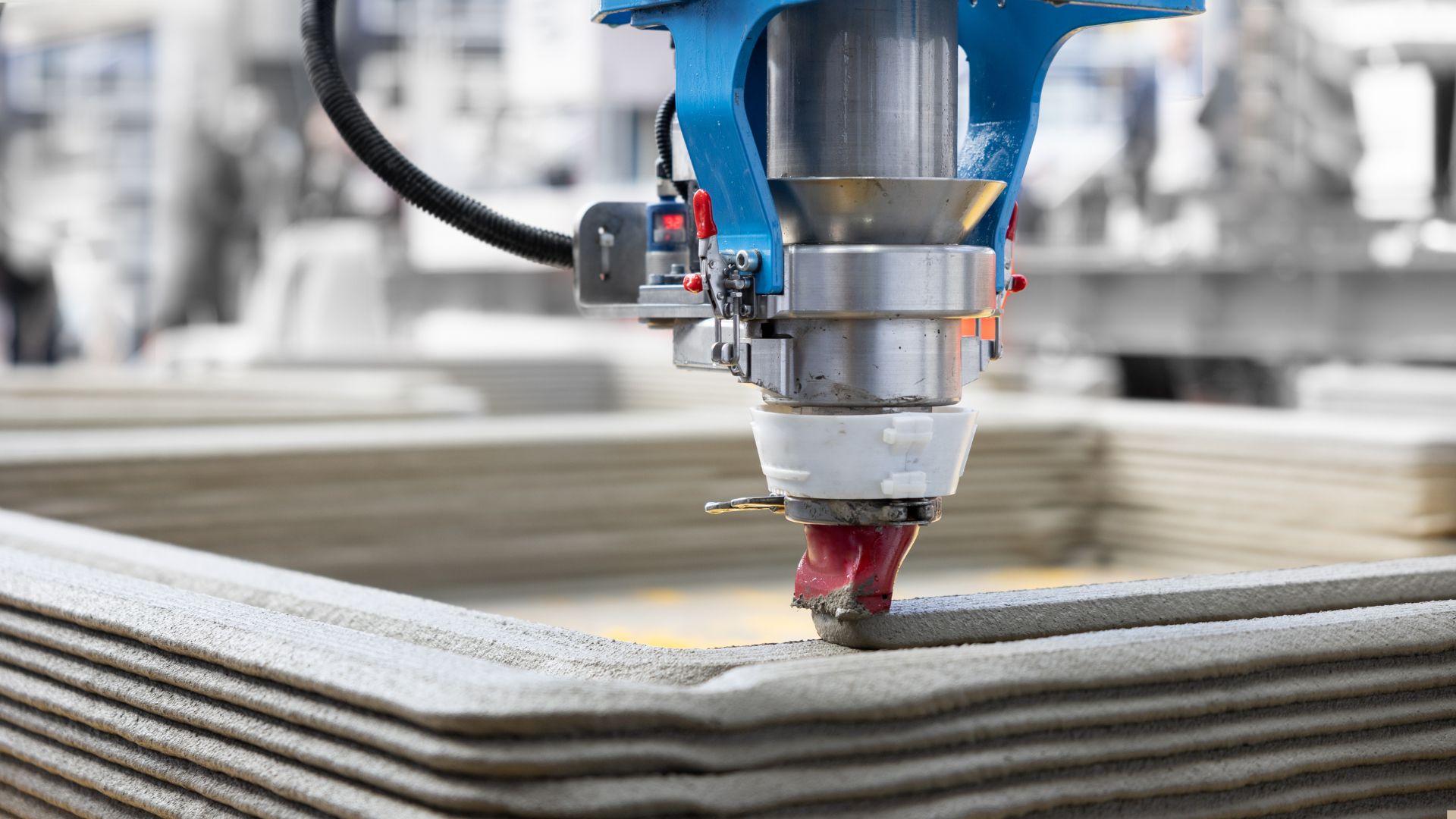
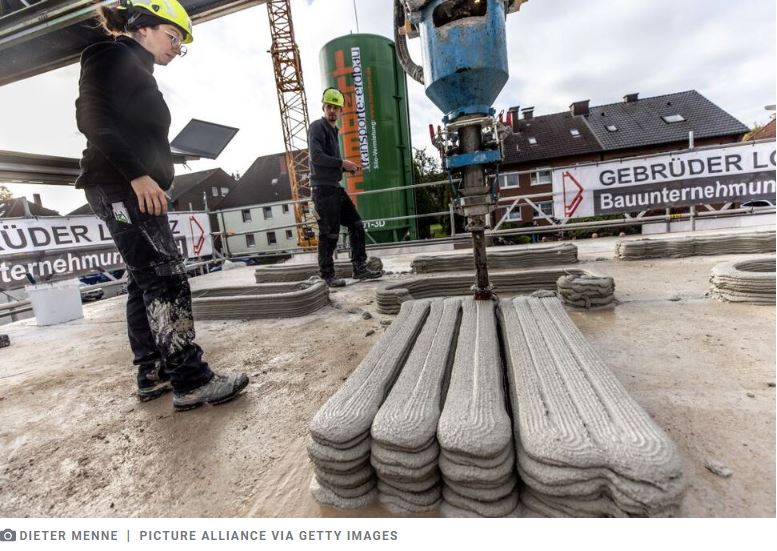
Unlike a traditional stick-built home, 3D-printed homes are literally printed in place, just like you’d print a knickknack on your home 3D-printer. Layer by layer, proprietary concrete blends are used to build the wall systems of the home in any type of design that a builder can imagine. Innovators in the space are trying to solve a number of problems at once, but many believe 3D-printing can help solve the bigger issue of affordable housing.
“You could do very ornate executive-style housing,” says Zachary Mannheimer, founder and chairman of Alquist 3D in Greeley, Colorado. “But our mission goes back to Frank Lloyd Wright in the ’30s, when he got a letter in the mail from someone who said, ‘Hey, I need an affordable home. But just because it’s affordable, I don’t want it to be of low quality and I want it to look amazing. Can you design me something for $1,000?’ (which is the equivalent today of about $20,000). And so Frank Lloyd Wright did, and the material that he chose was concrete.”
How Affordable Are 3D-Printed Homes?
The affordability of a 3D-printed home comes from a lot of different directions. First, you have the house itself. Building a 3D-printed home requires less labor and reduces job site waste compared with a traditional stick-built home, even though the only change is that the walls are made of concrete instead of wood. Again, there’s a lot of change currently happening in the space, but the already-built homes have told us a great deal about where the future is headed.
“What we do know is that 3D printing should be much more cost effective than a traditional stick built home in the near future,” says Janet Green, CEO at Habitat for Humanity Peninsula & Greater Williamsburg in Newport News, Virginia, which has already completed and sold three 3D-printed homes. “There are many cost efficiencies that these tools will help with. For instance, it took us about 35 hours to print the exterior walls of each home. Labor right now for that is about four people. Normally you need a lot more people to build the framing of the house.”
Because companies like Alquist 3D are working on ways to build 3D-printed homes with materials that are on hand locally, these homes can also have very small carbon footprints. One of Alquist 3D’s ultimate goals is to design homes that are not only carbon neutral but carbon negative – they literally remove carbon from the atmosphere.